As we explore the vibrant world of Entrance Wall Decor, it’s essential to understand its significance in setting the tone of any space. Renowned interior designer Emily Tran once stated, "An entrance is not just a threshold; it's the first hint of what lies beyond." This reflects the power of decor choices in creating lasting impressions.
When selecting Entrance Wall Decor, consider both aesthetics and functionality. Art pieces, mirrors, and shelves can elevate an entryway. A well-decorated wall is an invitation, a personal touch that tells a story. However, balancing individual style with current trends can be challenging.
In this dynamic market, conscious sourcing and thoughtful design remain crucial. Quality materials and craftsmanship can enhance the entrance vibe. Global buyers are looking for authenticity and uniqueness. Yet, it’s important not to overlook practicality in decoration. Wall decor should complement, not overwhelm. Creating the perfect entrance is an ongoing journey of reflection and adjustment.
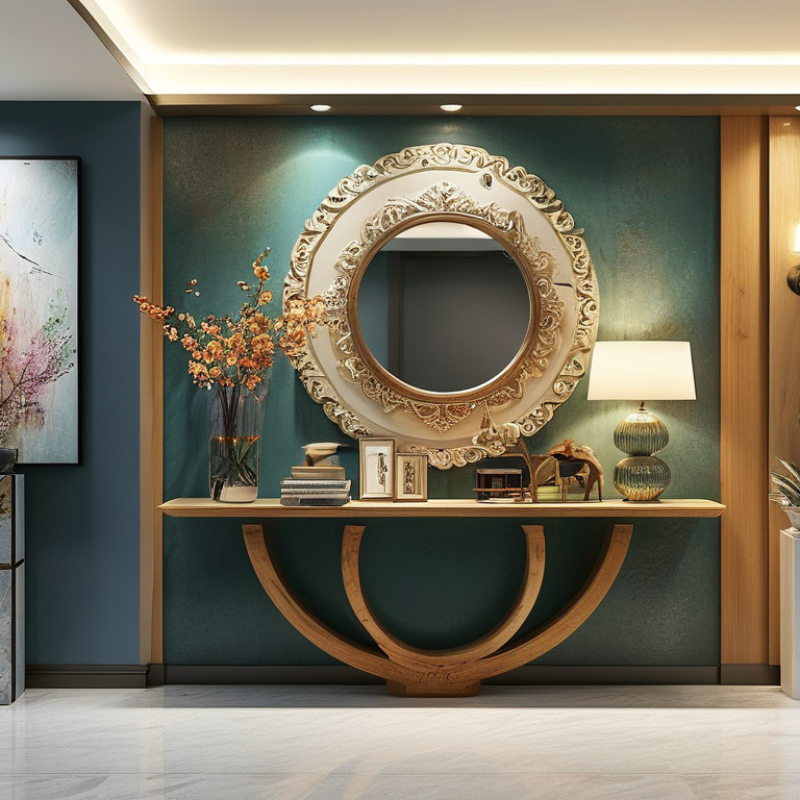
In recent years, the entrance wall decor market in China has flourished, showcasing vibrant trends appealing to global buyers. A report by the China National Interior Design Association highlighted a significant increase in consumer interest for personalized and unique designs. According to their findings, over 68% of buyers prioritize originality in home decor.
One popular trend involves blending traditional Chinese art with modern aesthetics. Artists increasingly incorporate calligraphy and traditional motifs into wall hangings. This combination resonates well with consumers looking for a cultural touch in their homes. Additionally, textures like reclaimed wood and eco-friendly materials are gaining traction. Eco-conscious buyers show a strong preference for sustainable options, resulting in a 14% rise in sales for green decor products.
However, challenges persist. Many buyers encounter issues with product authenticity and quality control. Reports indicate that nearly 30% of consumers have faced dissatisfaction regarding the durability of decor items. As a result, buyers are advised to focus on reputable suppliers who prioritize craftsmanship. This strategy can mitigate risks associated with low-quality goods.
Traditional Chinese motifs have always been rich in symbolism. They often represent harmony, prosperity, and good fortune. Integrating these designs into modern wall decor can create a captivating atmosphere. According to the International Journal of Interior Design, about 60% of homeowners prefer decor that combines traditional and contemporary styles. This trend indicates a growing appreciation for cultural heritage while embracing modern aesthetics.
Using elements like cherry blossoms, dragon patterns, and calligraphy can enhance the visual appeal of any room. The contrast between these classic motifs and minimalist decor can add depth and intrigue. For instance, incorporating a large-scale dragon mural can function as a striking focal point. However, achieving balance remains a challenge. Overdoing traditional elements may overwhelm a space and detract from its overall design.
Moreover, understanding regional preferences is crucial for global buyers. A report by the Home Decor Market Research Institute notes that 45% of consumers express interest in culturally themed designs. This statistic highlights the need for decor that reflects both personal and cultural identity. As buyers explore these options, they should consider how traditional motifs can resonate with their own stories while creating a welcoming environment. Finding this balance can push the boundaries of creativity and functionality in home decor.
When choosing materials for entrance walls, wood is a popular choice. It brings warmth and a natural aesthetic to any space. Different wood finishes can create a unique atmosphere. For a modern look, consider sleek, painted options. Rustic styles add charm with distressed surfaces. Each choice tells a story and can reflect personal style.
Metal, on the other hand, introduces an industrial edge. Options like brushed aluminum or wrought iron provide durability and strength. They also allow for creative designs, such as geometric patterns. A well-placed metal piece can be a striking focal point. However, some people find metal too cold or impersonal for their homes.
Fabric is a softer alternative that provides texture and warmth. Wall hangings or upholstered panels can enhance acoustics. Patterns and colors can be mixed to create a cozy feel. Many enjoy the comfort of fabric, but it can be challenging to clean. The choice of material ultimately reflects individual taste and the desired ambiance of the entrance space.
Color plays a crucial role in creating an inviting entrance. Studies indicate that specific hues can significantly impact mood and perception. For example, warm colors like red and orange evoke excitement and warmth, making them ideal for welcoming spaces. Cooler tones, such as blue or green, can promote calmness and relaxation. Global surveys show that 72% of people feel more comfortable in environments with balanced color schemes.
Selecting the right color palette for your entrance is not just about aesthetics. It reflects personal style and influences first impressions. A well-thought-out color scheme can enhance the overall appeal of a home. Reports suggest that homes featuring thoughtfully chosen color palettes can increase property value by up to 15%. However, choosing colors can be tricky. Many homeowners often choose colors that are too dark or bright, which can lead to feelings of discomfort. Testing colors in natural light can make a significant difference.
Additionally, it’s important to consider the elements surrounding your entrance. Factors like landscaping, architecture, and even regional climate can influence how colors appear. While some colors may complement an entrance beautifully, they might clash with outdoor elements. This insight emphasizes the importance of versatility and responsiveness in color selection, ensuring that your entrance is not only stylish but also harmonious with its environment.
Wall decor holds significant cultural meaning in Chinese homes. It goes beyond mere aesthetics. Art pieces often reflect values, beliefs, and family heritage. According to a 2021 report by the China National Interior Decoration Association, over 70% of Chinese households prioritize wall decorations that convey cultural storytelling.
Traditional motifs, like dragons and phoenixes, symbolize prosperity and harmony. Many homes feature calligraphy or paintings that depict nature. These elements inspire peace and connection to history. Research shows that home decor can emotionally impact residents. A visually appealing environment creates a sense of well-being.
However, the modern trend is shifting, sometimes neglecting these traditional values. Younger generations may opt for minimalism over meaningful art. This raises concerns about losing cultural identity. While contemporary designs are popular, they often lack the depth found in cultural pieces. Balancing tradition with modern aesthetics is crucial for maintaining cultural significance in wall decor.
| Decor Type | Material | Cultural Significance | Color Symbolism |
|---|---|---|---|
| Calligraphy Scrolls | Silk & Paper | Represents wisdom and education | Black and Red (Knowledge and Luck) |
| Landscape Paintings | Ink and Paper | Symbolizes harmony and nature | Green and Blue (Growth and Peace) |
| Wooden Panels with Carvings | Wood | Represents tradition and craftsmanship | Brown (Stability) |
| Ceramic Wall Art | Ceramic | Symbolizes longevity and harmony | White and Blue (Purity and Tranquility) |
| Framed Poetry | Paper | Represents culture and personal expression | Gold (Wealth) |
: Wood is a common choice for its warmth and natural look. Metal offers an industrial edge. Fabric provides softness and texture.
Different wood finishes create unique atmospheres. A modern look uses painted wood, while rustic styles bring charm.
Metal adds durability and strength. It allows for creative designs, like geometric patterns, making it a striking focal point.
Fabric adds warmth and texture. It can enhance acoustics but may be challenging to clean.
Warm colors like red and orange create excitement. Cooler colors, like blue and green, promote calmness.
A good color scheme improves first impressions and reflects personal style. It can also enhance property value.
Many choose colors that are too dark or bright, leading to discomfort. Testing colors in natural light is beneficial.
Elements like landscaping and architecture influence color appearance. Ensure the colors complement the surroundings.
Each choice in material and color tells a story and showcases personal style, enhancing the entrance's overall appeal.
Yes, some colors may clash with landscaping or architecture, so consider harmony when selecting colors for your entrance.
The article "China Top Entrance Wall Decor Ideas for Global Buyers" explores the latest trends and inspirations for entrance wall decor drawn from traditional Chinese aesthetics. It highlights the significance of incorporating traditional motifs into modern wall designs, which creates a unique blend of cultural heritage and contemporary style.
Material choices play a crucial role in enhancing entrance walls, with wood, metal, and fabric being prominent options that offer both aesthetic appeal and durability. Moreover, selecting the right color palette is essential; the article provides guidance on how to choose hues that create a welcoming atmosphere. Finally, the cultural significance of wall decor in Chinese homes underscores the importance of thoughtful design, as it reflects values and beliefs while effectively connecting global buyers to Chinese decor traditions. Overall, entrance wall decor serves as a vital element in setting the tone for entryways, making a lasting impression on visitors.