In recent years, wall art has emerged as a significant element in home decor. It transforms spaces and reflects personal style. Exploring the top wall art trends in China can elevate your home's aesthetic appeal. These trends showcase creativity and cultural richness, making them relevant and exciting.
Chinese wall art often features traditional elements fused with modern design. This blend creates a unique visual experience. Whether it’s minimalist designs or vibrant landscapes, there’s something for everyone. Consider how different wall art pieces can evoke emotions and set the mood in your space.
Additionally, with the rise of sustainability, eco-friendly wall art has become popular. Handmade pieces using natural materials are not only stylish but also support local artisans. Investing in wall art can be a personal journey. It’s about expressing who you are while enhancing your environment. Embrace the diverse possibilities wall art offers.
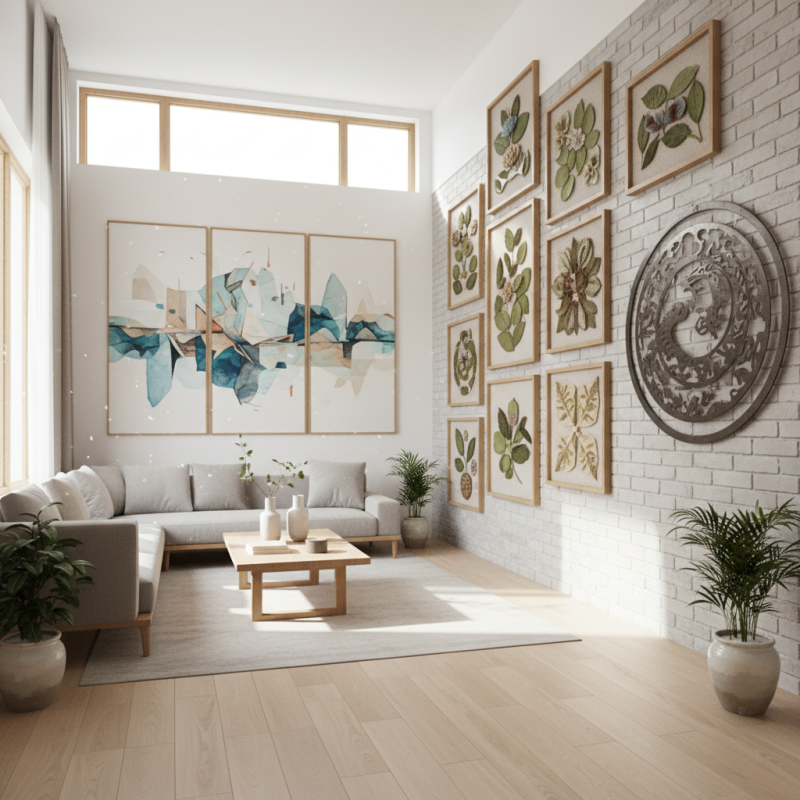
China's Top Wall Art Trends: An Overview of Current Styles
In recent years, wall art trends in China have significantly transformed, blending traditional aesthetics with contemporary styles. One popular trend is the use of minimalist designs featuring abstract shapes and neutral colors. According to a report by the China Art Market Research Institute, minimalist art sales have increased by 30% in the last year. This style appeals to many homeowners seeking tranquility in their spaces.
Another fascinating trend is the resurgence of traditional Chinese art forms. Calligraphy and ink wash paintings are making a comeback. These works convey cultural depth and historical significance, attracting a younger audience. A survey indicates that about 25% of millennials prefer art that reflects cultural heritage. However, the challenge lies in the delicate balance between modern tastes and respecting traditional craftsmanship.
The rise of digital art cannot be overlooked either. As technology advances, artists leverage digital platforms for creativity. This trend has democratized access to art, but it also raises questions about authenticity and value. Some art enthusiasts worry that digital reproductions might devalue original pieces. Despite these concerns, the demand for diverse wall art continues to grow in China, reflecting shifting cultural dynamics and preferences in home decor.
Market Analysis: Growth and Demand for Wall Art in China
The wall art market in China is experiencing significant growth. This trend reflects a shift in consumer preferences, as more people seek to personalize their living spaces. Homeowners are increasingly embracing unique art styles that resonate with their identities. Traditional art forms are now being blended with modern techniques, creating a vibrant fusion.
Online platforms have revolutionized the way people purchase wall art. They provide access to a broad range of options. This accessibility has driven demand, as customers are no longer limited to local art shops. However, it also raises questions about authenticity and quality. Many consumers are wary of mass-produced items lacking originality.
Additionally, regional variations influence wall art preferences. Urban areas often display contemporary styles, while rural areas lean towards traditional themes. This diversity creates a complex market landscape. The challenge lies in balancing artistic integrity with market demands. As more artists emerge, the quest for sustainable and ethical practices becomes crucial. Consumers are growing more discerning, pushing for transparency in sourcing. This evolution highlights an ongoing reflection in the wall art scene.
Influence of Traditional Chinese Art on Contemporary Wall Decor
Traditional Chinese art significantly influences contemporary wall decor in vibrant ways. Its motifs often feature nature, spirituality, and cultural symbols. These elements bring a unique charm to modern homes. Incorporating traditional art can create a deep connection to history and heritage.
Using traditional patterns, such as calligraphy or ink wash landscapes, adds depth to interior spaces. These designs can evoke contemplation and serenity. Think about how a delicate bamboo painting or a silk scroll might transform a room. They invite a sense of calm and encourage reflection.
Tips: Choose artwork that resonates personally. A piece should instill joy and meaning. Consider size and placement. Large pieces can become focal points, while smaller works can create gallery walls. Balcony gardens or indoor plants can pair beautifully with these art pieces. Always remember, blending old and new can create a harmonious space.
Popular Materials and Techniques in China's Wall Art Industry
In recent years, China's wall art industry has seen innovative materials and techniques that elevate home decor. Traditional methods, like ink and brush painting, remain popular. These artworks often convey deep cultural meanings. Artists blend historical motifs with modern designs, creating a unique aesthetic.
Canvas prints have surged in popularity. They offer vibrant displays and can be easily switched out to refresh a space. Moreover, three-dimensional wall sculptures made from sustainable materials are gaining traction. These pieces not only add depth but also provoke thought about material use and environmental impact.
Yet, it's essential to recognize the challenges. Many emerging artists struggle for visibility in a saturated market. The blend of traditional and modern styles sometimes leads to an identity crisis. Finding a balance between authenticity and trendiness is crucial. Exploring these aspects can lead to richer discussions around art and culture in contemporary homes.
China Top Wall Art Trends to Elevate Your Home Decor
| Material |
Technique |
Popularity (%) |
Suitable Style |
| Canvas |
Digital Printing |
35 |
Modern, Minimalist |
| Wood |
Hand-Painting |
25 |
Rustic, Vintage |
| Metal |
3D Sculpting |
15 |
Industrial, Modern |
| Textiles |
Tapestry Weaving |
10 |
Bohemian, Eclectic |
| Ceramics |
Glazing |
15 |
Artisan, Elegant |
Impact of E-commerce on Wall Art Purchases in Urban Areas
The impact of e-commerce on wall art purchases is significant, especially in urban areas. With more people turning to online shopping, traditional art sales are declining. A recent report indicated that around 75% of consumers now prefer buying art online. This trend reflects a growing comfort with digital platforms, reshaping how people approach home decor.
Urban dwellers are also increasingly seeking unique wall art to express their individuality. Online platforms offer a wider variety of styles than typical brick-and-mortar stores. According to industry analysis, 60% of urban buyers consider convenience a top priority. They appreciate the ability to browse multiple collections at their own pace. However, many customers still struggle with authenticity and quality assurance.
The challenge lies in discerning quality from the vast online offerings. Increased accessibility can lead to overwhelming choices. Some buyers report dissatisfaction when their purchases do not meet expectations. This reveals a need for reliable reviews and expert recommendations. Consumers want to feel confident in their selections, making transparency crucial in the e-commerce space.
FAQS
: The growth is driven by a shift in consumer preferences for personalized living spaces.
Online platforms offer a wide range of options, increasing accessibility for buyers.
Many worry about the authenticity and quality of mass-produced items, fearing a lack of originality.
Urban areas favor contemporary styles, while rural areas tend to prefer traditional themes.
Artists face challenges in balancing artistic integrity and market demands.
Consumers are becoming more discerning and seek sustainable and ethical art practices.
Traditional motifs feature nature, spirituality, and symbols that enhance contemporary spaces.
Pieces like delicate bamboo paintings provide a sense of calm and encourage reflection.
Choose pieces that resonate personally and instill joy; consider size and placement carefully.
Blending old and new creates harmony and adds depth to interior designs.
Conclusion
China's wall art trends are continually evolving, reflecting a blend of traditional influences and modern aesthetics. With a growing demand for unique home decor, there has been a significant market expansion in the wall art sector, driven by the rising disposable income and a shift towards personal expression in urban living spaces. Traditional Chinese art forms are increasingly being incorporated into contemporary wall decor, resulting in pieces that resonate with cultural heritage while appealing to modern tastes.
Moreover, the rise of e-commerce has transformed the way consumers purchase wall art, facilitating access to a wider variety of styles and materials. Popular techniques and mediums utilized in this industry include ink painting, calligraphy, and mixed media, highlighting the diverse artistic expressions found in China's wall art landscape. These trends not only enhance the aesthetic appeal of homes but also reflect the dynamic and vibrant art culture within the country.

 Dekal Home