How to Choose the Best Wall Decor Objects for Your Home?

Time:2026-07-18 Author:Mason
0%

When selecting Wall Decor Objects, homeowners often face a daunting task. The right decor not only enhances aesthetics but also reflects personal style. According to a recent survey by the Home Decor Association, nearly 70% of homeowners feel that wall decor significantly impacts their home's ambiance. The choices range from traditional paintings to contemporary art pieces, each offering unique vibes.

Moreover, designers recommend considering the size, color, and material of these objects. Statistics show that well-chosen decor can increase a home's perceived value by up to 15%. However, many individuals tend to overlook the emotional connection that these items can evoke. For instance, a mismatched piece can disrupt the overall harmony of a room, making reflection on personal taste essential.

Ultimately, Wall Decor Objects serve as more than just visual enhancements. They can tell stories, foster memories, and even spark conversations. With the right approach and careful consideration, selecting decor can transform a space into a true reflection of one's identity.
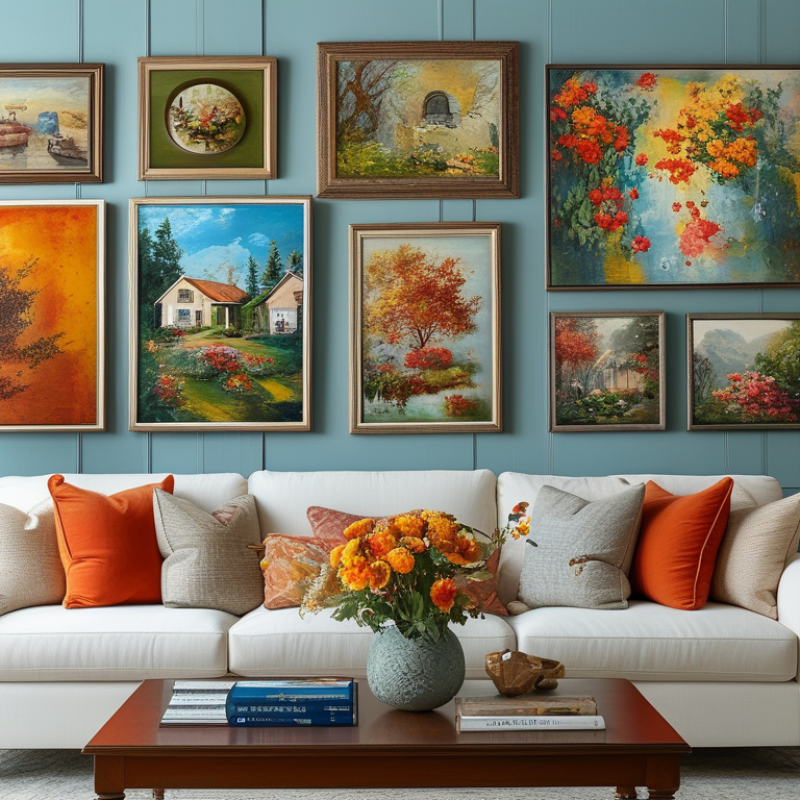
How to Choose the Best Wall Decor Objects for Your Home?

Identifying Your Personal Style for Wall Decor

Identifying your personal style for wall decor is crucial for creating a harmonious atmosphere in your home. Studies suggest that 75% of homeowners feel more content when their space reflects their unique personality. To find your style, consider what inspires you. Is it minimalism, rustic charm, or perhaps a vibrant bohemian vibe? Reflect on the colors, textures, and themes that resonate with you.

Begin by examining your favorite pieces of art or decor. Are they abstract or realistic? Do they feature bold colors or subtle tones? These details reveal your aesthetic preferences. According to a 2022 survey by the National Association of Home Builders, 67% of homeowners prioritize personal expression in home design. This means your decor should tell a story—your story.

However, many overlook the importance of balance. Mixing too many styles can create a chaotic environment. For instance, pairing industrial metal with soft textiles may either enhance or clash dramatically. Take time to assess your choices. Are they truly complementary? Remember, a well-curated wall is not just visually appealing, but also deeply personal. Reflect, adapt, and let your walls speak your truth.

Understanding the Different Types of Wall Decor Objects

When it comes to wall decor objects, understanding the types available is essential. Art prints, for example, can transform a space with colors and themes. They offer versatility; some can be bold and vibrant, while others are soft and subtle. You might lean towards contemporary art for a modern look. Alternatively, classic portraits might resonate more with traditional styles. The right choice often comes down to personal connection.

Another popular option is mirrors. They enhance light and create the illusion of a larger space. Choosing a unique frame can add character and texture. Consider geometric designs or ornate styles, depending on your aesthetic. Wall sculptures present another avenue for exploration. They can introduce depth and intrigue. Materials like metal, wood, or ceramic produce different effects. This diversity allows for creative combinations in your design.

Don’t overlook the power of personal memorabilia. Photographs or travel souvenirs can tell your story. They might not always fit typical decor guidelines, which can be refreshing. The key is finding a balance between curated items and those that reflect personal experiences. Each piece should resonate, but sometimes it takes time to find what truly fits your environment.

Types of Wall Decor Objects and Their Popularity

Considering the Size and Scale of Your Wall Space

When selecting wall decor, considering the size and scale of your wall space is crucial. Research indicates that 30% of homeowners overlook this aspect, resulting in poorly proportioned decor. Large pieces can overwhelm a small space, while tiny frames can get lost on expansive walls. Aim for a balanced look where your decor complements the size of the room.

Think about the visual weight. A substantial piece creates a focal point, while lighter elements, such as prints or shelves, can soften a room. Industry studies reveal that 70% of design professionals recommend groupings of artworks. This technique provides visual intrigue and helps maintain scale harmony.

Tip: Measure your wall space before purchasing. This ensures that your decor fits well. A central piece, between 60-80 inches from the floor, draws attention without being overwhelming. Additionally, use painter's tape to outline potential placements. This method helps visualize scale, leading to a more intentional design choice. Remember, the right wall decor enhances your space; balancing size and scale is key to a cohesive look.

How to Choose the Best Wall Decor Objects for Your Home? - Considering the Size and Scale of Your Wall Space

Decor Object Recommended Size Style Compatibility Ideal Wall Size
Framed Artwork 24" x 36" Modern, Artistic Large Walls
Wall Shelves 36" long Rustic, Contemporary Medium to Large Walls
Canvas Prints 20" x 30" Eclectic, Bohemian Medium Walls
Mirrors 30" Diameter Classic, Minimalist Small to Medium Walls
Wall Decals Varies Playful, Creative Any Size

Choosing Materials and Textures for Visual Interest

When selecting wall decor, the materials and textures you choose can significantly impact your home's atmosphere. Natural wood can add warmth, while metal pieces bring a modern vibe. Consider mixing materials for a layered look. A rough wooden frame can contrast beautifully with a smooth canvas. This creates visual tension and keeps the eye moving.

Textural variety is key. Fabrics like linen or wool can soften a space. Hanging a woven tapestry alongside sharp-edged art brings balance. Be open to imperfections. A vintage piece with scratches tells a story. That dent in the frame? It adds character. Don’t shy away from bold textures, like a 3D wall panel. It can serve as an intriguing focal point.

Also, think about how light interacts with different surfaces. Glossy finishes reflect light and can make a room feel larger. Matte surfaces absorb it, creating intimacy. Play around with scale too. A small, intricate piece can get lost on a vast wall. However, it could become a captivating detail in a curated gallery wall. Always trust your instincts when piecing together decor.

Coordinating Colors and Themes with Existing Decor

When choosing wall decor, color coordination is key. Matching colors can create harmony in a room. Consider the existing palette. If your walls are neutral, vibrant art can provide a stunning focal point. However, ensure it doesn’t clash with your furniture or textiles. Accessories should complement your style without overwhelming it.

Themes also play a crucial role. A coastal theme, for example, pairs beautifully with serene blues and sandy tones. It can evoke feelings of calmness. But remember, not every piece must fit a theme perfectly. A single bold piece may challenge the theme, adding intrigue. Think about how each item tells a story. Each choice influences the overall feel. Balancing cohesion and individuality is a delicate task; refining your choices can take time. Look at various combinations to see what resonates.
The goal is a space that feels authentically yours, while still being mindful of the overall aesthetic.

FAQS

: What types of wall decor can I consider?

: You can choose from art prints, mirrors, wall sculptures, and personal memorabilia. Each offers different styles and effects.

How can mirrors enhance my space?

Mirrors create the illusion of a larger area and reflect light. A unique frame can add extra personality to them.

What materials should I use for wall decor?

Consider natural wood for warmth or metal for a modern feel. Mixing materials can create visual interest and depth.

How important is textural variety in decor?

Textures like linen or wool can soften a space. Mixing rough and smooth materials adds balance and keeps the eye engaged.

What should I think about when coordinating colors?

Ensure colors match existing decor. Vibrant pieces can stand out but shouldn't clash with walls or furniture.

Can I mix different themes in my decor?

Yes, mixing themes can add intrigue. A bold piece may enhance a coastal theme, creating a point of interest in the room.

How do I achieve a balanced decor look?

Balance cohesion and individuality. Each piece should tell a story, which may take time to curate properly.

Should I embrace imperfections in decor pieces?

Absolutely. Imperfections like scratches can add character. A vintage piece often brings its own unique history.

How does lighting affect wall decor?

Different surfaces interact with light in various ways. Glossy finishes reflect light, while matte surfaces create warmth and intimacy.

What if a small piece feels lost on my wall?

A small, intricate piece might seem lost, but it can shine as part of a gallery wall. Trust your instincts to find the right placement.

Conclusion

Choosing the best Wall Decor Objects for your home involves understanding your personal style and the different types of decor available. Start by identifying what resonates with you, whether it's modern art, vintage pieces, or nature-inspired elements. This personalization helps ensure that the decor reflects your taste and enhances your living space.

Next, consider the size and scale of your wall space. Large art pieces can serve as focal points, while smaller objects can create a gallery effect. Additionally, the materials and textures of your Wall Decor Objects add depth and interest; combining different finishes can create a more dynamic aesthetic. Finally, coordinate colors and themes with your existing decor to achieve a harmonious look that ties the room together.

Mason

Mason

Mason is a seasoned marketing professional with a deep expertise in the company's offerings and a passion for driving brand awareness. With a strong background in digital marketing strategies, he has an innate ability to connect with diverse audiences and effectively communicate product benefits.......