Modern homes often rely on quiet architectural details, yet a carefully painted wall can change the entire atmosphere. Painted Wall Accents add depth without demanding new furniture, costly construction, or excessive decoration. A deep olive panel can frame a cream sofa. A terracotta arch can warm a narrow hallway. Even a thin charcoal stripe can give a plain room sharper definition.
Interior designer Kelly Wearstler has said, “Color is everything.” Her view reflects an important design truth. Color does more than decorate a surface. It directs attention, alters perceived scale, and influences how comfortable a room feels. However, strong color does not automatically create a sophisticated result. Proportion, lighting, finish, and surrounding materials still matter.
The best accent may be a geometric block, a soft color wash, or a ceiling that continues one wall shade. Matte paint can absorb harsh reflections, while satin finishes highlight imperfect surfaces. Test samples beside timber, stone, and fabric. Daylight may make blue appear airy, but evening lamps can turn it unexpectedly gray.
There is no universal formula. A trend can look impressive online and feel cold at home. That uncertainty deserves attention. Thoughtful Painted Wall Accents begin with observation, not imitation. The following guide examines the most effective options for modern interiors, including bold feature walls, two-tone divisions, arches, color zoning, and subtle architectural framing. Each idea balances visual impact with practical concerns, such as room size, maintenance, and long-term flexibility. Expect useful direction, but leave space for personal judgment.
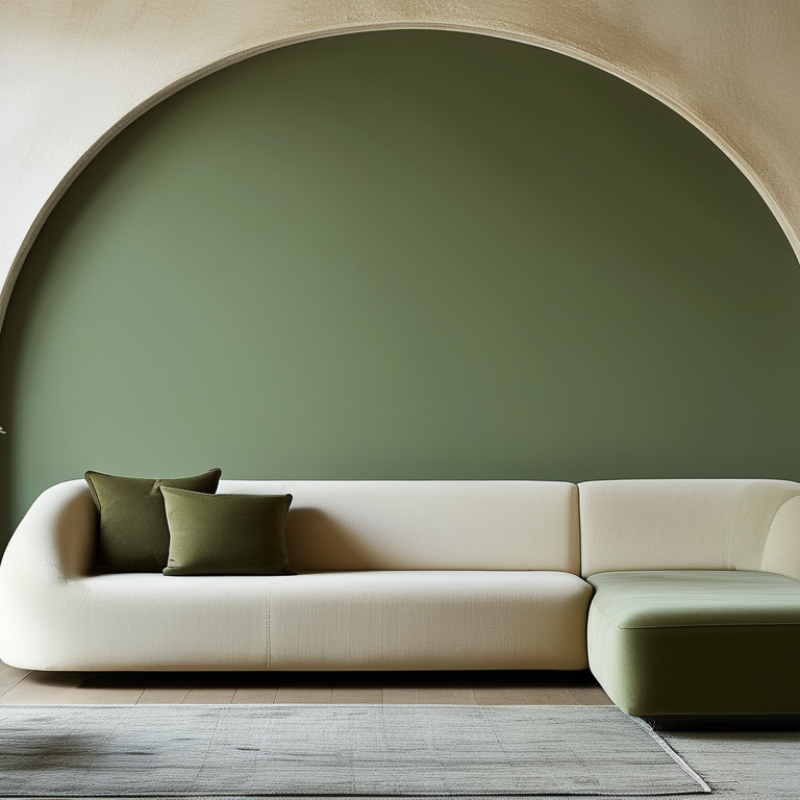
Painted wall accents are deliberate color or pattern interventions that shape how a modern room feels and functions. They are more than a single dramatic feature wall. An accent can frame a dining nook, highlight a recessed shelf, connect a hallway, or continue across a ceiling. Deep green behind a reading chair can create visual shelter, while a muted clay band can guide movement through an open-plan home. The definition remains flexible. That is useful, but sometimes confusing.
Professional design research supports their practical value. The National Association of Realtors’ 2022 Remodeling Impact Report found that interior painting could recover about 107% of its cost at resale. This figure does not guarantee profit. Room size, preparation, lighting, and workmanship still matter. In my view, the strongest accents are restrained. They support architecture instead of competing with furniture. A small imperfect edge can also reveal the human hand, although careless masking simply looks unfinished.
Tips: Test three sample patches at morning, afternoon, and evening. Observe them beside flooring and window glass. Use matte finishes to soften broad areas, and satin finishes where cleaning matters. Keep adjoining colors related by undertone. If the accent feels impressive only in a photograph, reconsider it. Good modern design should work at walking speed, not only from one carefully chosen angle.
Choosing a painted wall accent starts with the room’s natural light, not a color chart. North-facing rooms often suit warm terracotta, muted ochre, or soft clay. South-facing spaces can handle cooler blue, green, and charcoal tones. Light changes everything.
In living rooms, a deep olive wall adds comfort beside oak, linen, and woven textures. A modern interior may benefit from dusty blue or warm gray instead of stark black. Bedrooms usually need quieter accents, such as smoky lavender, muted sage, or warm taupe. Keep it restrained. A single wall behind the bed often feels more intentional than several competing surfaces.
Kitchens can support stronger colors because cabinets and tile create visual structure. Consider a mineral green wall with pale wood, or a muted red behind open shelving. In compact bathrooms, a darker accent can create depth, but glossy surfaces may exaggerate saturation. Test before committing. Paint large sample boards and observe them in morning, afternoon, and artificial light. Two coats matter, since thin coverage can distort the final color. I have found that colors chosen from tiny samples often appear heavier across a full wall. That mistake is common. Interior style also changes the result: saturated colors suit eclectic rooms, while softened tones usually work better with minimalist furniture. There is no perfect accent color, only a careful relationship between light, materials, and daily use.
| Room | Interior Style | Recommended Accent Color | Reference Hex | Best Accent Location | Suggested Finish | Visual Effect | Compatible Colors |
|---|---|---|---|---|---|---|---|
| Living Room | Modern Minimalist | Deep Forest Green | #245447 | TV wall or fireplace wall | Low-sheen eggshell | Adds depth and a natural focal point without excessive gloss | Warm white, oak, beige, brushed brass |
| Bedroom | Scandinavian | Muted Dusty Blue | #7D99A3 | Headboard wall | Matte or soft-matte | Creates a calm, cool background and visually frames the bed | White, pale gray, light ash wood, natural linen |
| Kitchen | Contemporary | Charcoal Gray | #3F4749 | Dining nook or pantry wall | Washable satin | Provides contrast and helps define an eating or preparation zone | White cabinetry, concrete gray, walnut, stainless steel |
| Dining Room | Mid-Century Modern | Burnt Terracotta | #B75E3C | Main dining wall | Eggshell | Introduces warmth and supports social, welcoming spaces | Cream, teak, olive green, matte black |
| Home Office | Japandi | Warm Clay Beige | #B69B83 | Desk wall or background wall | Matte | Adds understated warmth while maintaining a focused, uncluttered feel | Off-white, light oak, black, muted green |
| Bathroom | Modern Coastal | Soft Sea Glass | #8DB9B1 | Vanity wall or niche wall | Satin, where moisture resistance is needed | Makes the room feel fresh and visually lighter | White tile, pale stone, light wood, chrome |
| Entryway | Eclectic Modern | Navy Blue | #233B5D | Foyer wall or stair wall | Durable eggshell | Creates a memorable first impression and visually anchors the entrance | Warm white, natural wood, tan leather, brass |
| Children's Room | Soft Contemporary | Muted Sage Green | #9AAA8E | Reading corner or lower half of the wall | Washable matte or eggshell | Provides gentle color while remaining adaptable as the room changes | Warm white, pale yellow, birch, natural textiles |
| Hallway | Urban Modern | Muted Mauve | #987C86 | End wall or architectural niche | Eggshell | Adds personality to a transitional space without overwhelming adjacent rooms | Soft gray, ivory, dark wood, aged metal |
Note: Color appearance varies with lighting, surrounding materials, screen settings, and paint formulation. Test a sample on the intended wall before making a final selection.
Painted accent walls remain effective in modern homes because they create focus without adding bulky decoration. In practice, the best technique depends on room shape, daylight, and surface condition. A single deep-color wall suits a sofa or bed backdrop. It gives strong contrast and needs only careful edge cutting. Two-tone blocking feels more architectural. A horizontal split can visually lower a tall room, while a vertical block can emphasize ceiling height. Color drenching, using one shade across the wall, trim, and door, looks calmer but exposes uneven preparation.
The 2023 National Association of Realtors Remodeling Impact Report gives interior painting a 10/10 Joy Score and estimates 107% cost recovery. However, that figure covers complete interior painting, not one accent wall. This distinction matters. A geometric pattern may photograph beautifully, yet small errors become obvious near corners. A soft gradient hides transitions better, though it requires stronger blending skills. The honest weakness of accent walls is commitment. A trendy color can feel dated sooner than expected. Houzz’s 2024 U.S. Houzz & Home Study also shows that homeowners continue investing in personalized interior improvements, but survey data cannot predict every household’s taste.
Tips: Test three sample patches. View them morning, afternoon, and night. Use removable tape for geometric layouts. Check the wall under angled light. Matte paint hides minor texture, while satin highlights flaws. Keep the strongest contrast away from narrow hallways. A measured plan helps, but small adjustments are often necessary. Perfect symmetry is not always the most comfortable result.
A painted wall accent can make a modern room feel intentional, but the finish depends on preparation. Start by removing dust, loose paint, and grease with a mild cleaner. Let the wall dry completely. Small dents need lightweight filler, followed by careful sanding with fine-grit paper. Run your hand across the surface. Your fingers often find flaws your eyes miss.
Protect trim and floors with clean masking tape and durable coverings. Apply a suitable primer, especially over repairs or strong existing colors. Primer helps reduce uneven absorption and prevents patched areas from showing through. I once skipped this step on a small feature wall, and the repaired spots looked dull after painting. It saved time briefly, but created extra work later.
Test the accent color beside natural and artificial light. A deep green may appear softer in daylight and nearly black at night. Use a clean roller for broad areas and a quality angled brush around corners. Keep a wet edge, and avoid pressing too hard. Two thin coats usually look smoother than one heavy coat. Allow proper drying time between coats, even when the surface feels dry. Remove tape slowly while the final coat remains slightly flexible. Some edges still need minor touch-ups. That is normal. Inspect the wall from several angles before replacing furniture.
Painted wall accents can remain striking in modern homes, but they need regular attention. Check high-touch areas every three months. Look near switches, chair backs, and hallway corners. These zones collect fingerprints, dust, and small abrasions first.
Use a soft microfiber cloth and diluted, mild soap. Test it on a hidden section before cleaning the full wall. Flat finishes often mark more easily than eggshell or satin finishes. Keep the original paint label, color code, and batch information in a sealed container. Sunlight can change the surrounding color, making later touch-ups visible. A small sample test prevents a larger repair mistake.
The National Association of Realtors’ 2022 Remodeling Impact Report gave interior painting a 10 out of 10 “Joy Score.” It also estimated a 107% cost recovery for painting one interior room. That finding supports careful upkeep, not constant repainting. Repaint when fading, stains, or uneven sheen become obvious. The U.S. Environmental Protection Agency recommends ventilation during indoor painting, especially when using coatings that release volatile compounds. Open windows when practical, and follow the product’s safety directions.
Modern accent walls also benefit from measured updates. Refresh one wall instead of changing every surface. Deep green, muted clay, and warm charcoal can age differently under changing daylight. I sometimes choose a color too quickly. Viewing large samples for several days is wiser. Keep extra paint, but expect imperfect matching after years. A professional painter can blend edges more naturally than a single bold patch.
Under normal indoor conditions, painted wall accents typically remain visually effective for several years. High-contact areas and darker colors usually need more frequent cleaning, touch-ups, or repainting than low-contact decorative walls.
: Clean walls help paint adhere evenly. Dust, grease, and loose paint can create rough or peeling areas.
Apply lightweight filler, let it dry, and sand gently with fine-grit paper. Check the surface by touch.
Yes, especially over repairs or strong colors. Primer reduces uneven absorption and hides dull patched areas.
Test large samples beside daylight and evening lighting. Deep green may look soft by day and nearly black at night.
Use a clean roller for broad areas and an angled brush around corners. Protect floors and trim with secure coverings.
Two thin coats often look smoother than one heavy coat. Keep a wet edge and avoid pressing hard.
Remove it slowly while the final coat remains slightly flexible. Some small touch-ups are normal.
Check switches, chair backs, and hallway corners every three months. Wipe them with diluted mild soap and a microfiber cloth.
Test the solution on a hidden section. Flat finishes can mark more easily than eggshell or satin finishes.
Repaint when fading, stains, or uneven sheen become obvious. Keep leftover paint, but expect older colors to match imperfectly.
Painted Wall Accents are a simple and effective way to add personality, depth, and visual interest to a modern home. This guide explains how accent walls can define spaces, highlight architectural features, and support different interior styles. It explores how to choose colors for bedrooms, living rooms, dining areas, and workspaces, while considering lighting, room size, furniture, and the desired mood. From calm neutrals to bold contemporary shades, the right color can create balance without overwhelming the design.
The article also compares popular techniques, including full accent walls, color blocking, geometric patterns, soft gradients, and textured painted effects. It outlines essential preparation steps, such as cleaning, repairing, priming, protecting nearby surfaces, and applying even coats for a professional finish. Finally, it offers practical advice for maintaining Painted Wall Accents, repairing minor damage, refreshing fading colors, and updating the design as personal tastes and home décor change over time.